August 21, 2026
Choosing the right venue is crucial for any event, setting the tone and atmosphere for your guests. The venue serves as a foundation for all other aspects of an event, from the theme and decorations to logistics and guest management. With numerous options available, selecting the right venue can feel overwhelming, yet it is instrumental in creating unforgettable experiences. By understanding the nuances between reception halls and alternative venues, you can make informed decisions that align with your event's goals and charm your attendees.
Evaluating Reception Halls
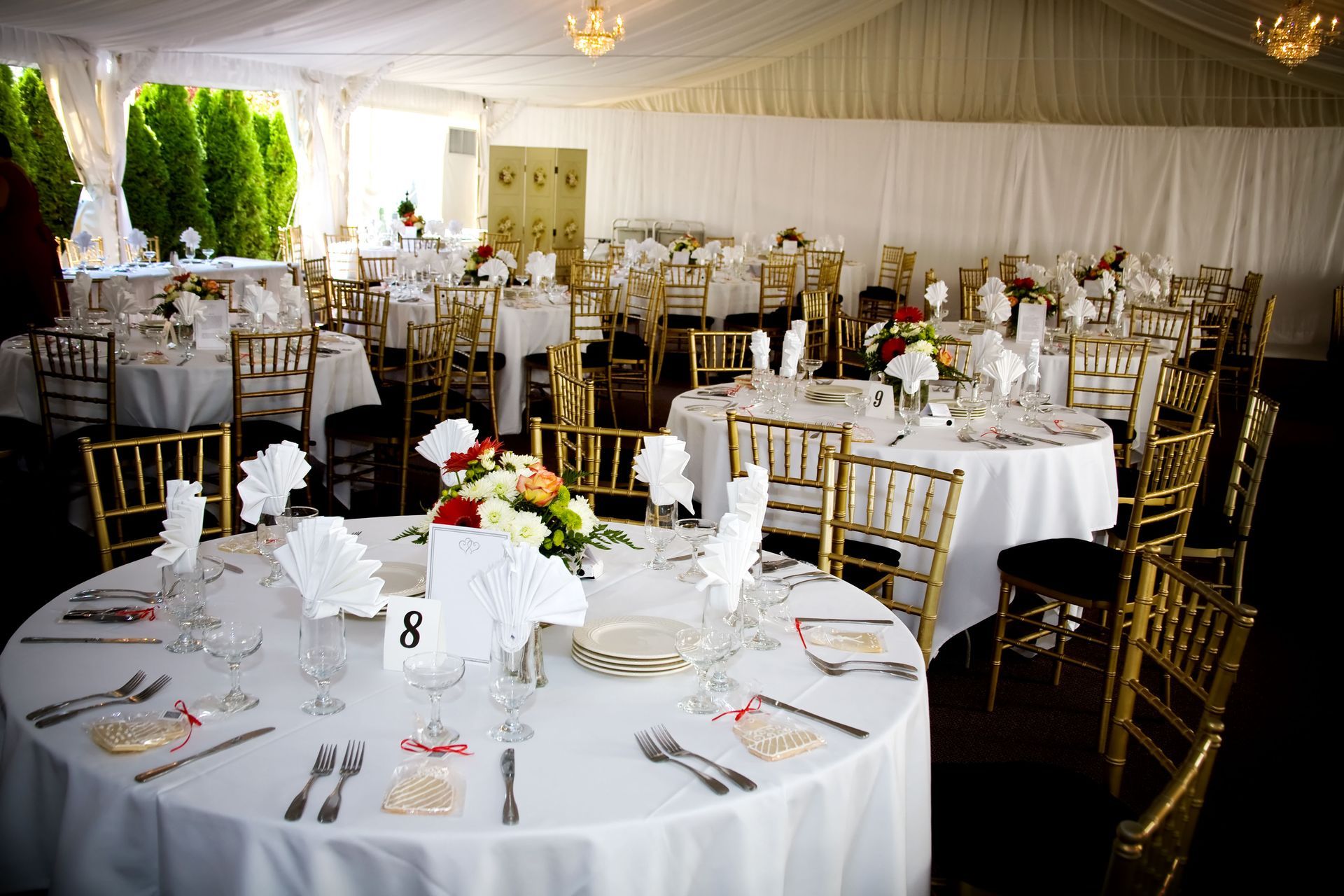
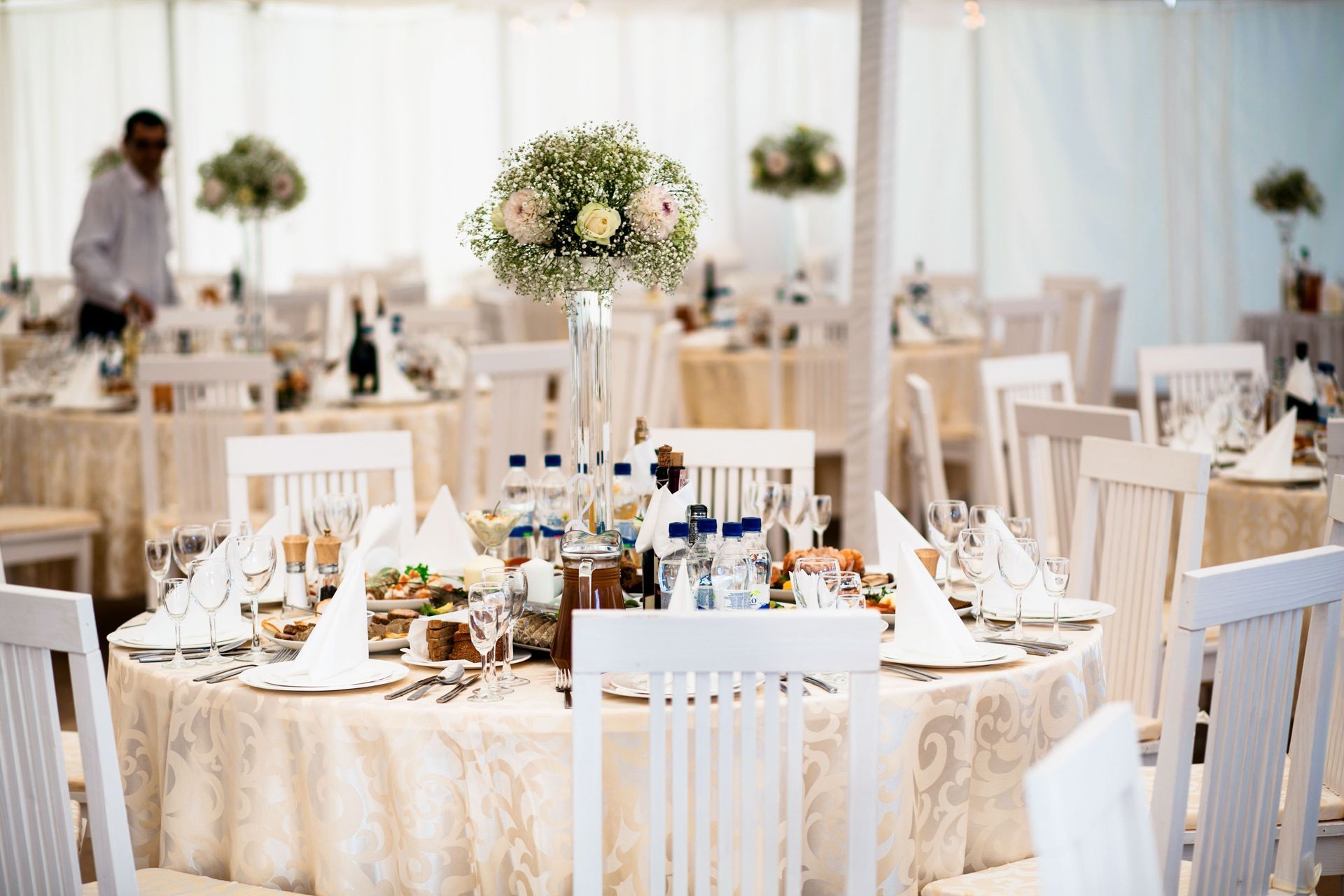
Reception halls are typically characterized by their spacious interiors and extensive amenities, making them ideal for hosting large gatherings. These venues are often designed to accommodate various event types, featuring adaptable layouts and comprehensive facilities such as seating arrangements, lighting systems, and AV equipment. Additionally, they often provide luxurious settings, with elegant decor and attentive staff to enhance the guest experience. The controlled environment of reception halls ensures comfort, with climate control and reliable infrastructure for event activities. Such facilities are designed to streamline events, allowing organizers to focus on content and guest interaction rather than logistical concerns.
The high demand for reception halls comes from their ability to host diverse events, including weddings, graduations, and corporate meetings. These venues are particularly favored for their capacity to manage large crowds efficiently, offering ease of access and operational flexibility. According to Remo, in the U.S., there are approximately 40,000 conferences and trade shows planned for 2025, reflecting high activity in corporate and large-scale event planning. Reception halls remain relevant for their accommodation capabilities and specialized services tailored to event needs, from catering options to audiovisual support, ensuring professional execution.
The well-rounded amenities and services provided by reception halls are often inclusive of lighting, sound systems, and technical support, reducing the need for additional rentals or third-party vendors. This full-service offering often extends to on-site coordinators who manage the flow of events, assisting with setup, breakdown, and guest needs. These advantages, paired with their strategic locations, typically enhance the convenience factor for both hosts and guests. Furthermore, reception halls often boast ample parking options, reducing logistical concerns related to guest arrivals and departures.
Comparing Alternative Venues
Outside of traditional reception halls, a myriad of alternative venues beckon, each providing unique backdrops and settings that can be tailored to diverse event types. From rustic barns and historic manors to modern lofts and urban rooftops, the array of non-traditional venues offers an exciting expanse of choices that encourage creativity in event planning. Outdoor spaces like vineyards, botanical gardens, and waterfront locations provide natural beauty that can augment an event's aesthetic appeal, offering both breathtaking views and vibrant atmospheres. These sites cater especially well to events seeking distinct, picturesque settings that break away from the conventional layout.
Historic sites and landmarks also hold immense attraction, particularly for events that call for an air of sophistication or exhibit cultural significance. These venues serve as a testament to heritage and offer a sense of prestige, often requiring minimal decor due to their inherent architectural beauty. Moreover, unconventional settings such as art galleries or museums can provide a dynamic backdrop that enhances engagement, appealing to clientele interested in more contemporary and interactive experiences. Emerging trends indicate a lean towards more relaxed and nontraditional venues, such as industrial spaces and local breweries, which cater to events seeking a fresh, informal vibe.
Opting for alternative venues also grants planners the creative freedom to design immersive environments that break the mold of standard event structures. These spaces often allow for customized layouts, flexible vendor policies, and unconventional entertainment setups that reflect a distinct personality or brand identity. Whether hosting an interactive workshop in a contemporary gallery or an intimate dinner in a restored orchard, the inherent character of alternative settings invites guests into a specialized narrative, transforming a simple gathering into an engaging experiential journey.
Analyzing Cost Considerations
The financial aspect of booking a reception hall can vary widely based on location, amenities offered, and the level of service required. Typically, booking a reception hall involves a base rental cost that might include setup and cleanup, basic decor, and use of in-house facilities. Prices may rise with additional services like catering, special lighting effects, or technical support, which can be tailored to the event's needs and preferences. While initial costs for reception halls might seem higher than alternatives, the bundled services, including staffing, technology, and logistics, often result in lower overall expenditure by eliminating third-party rental fees.
Budget considerations are equally pivotal when evaluating alternative venues, as costs can vary significantly based on location, customization level, and service requirements. While some non-traditional venues may offer reduced base rates, others might incur unexpected expenses related to third-party coordination, permits, or specialized equipment hire. Planners must examine site-specific costs, which can escalate quickly when transforming raw spaces into functional and aesthetically appealing environments. Resourceful budget allocation and prioritizing critical elements can help maintain cost efficiency without sacrificing quality across any venue type.
Navigating these financial trade-offs requires a transparent evaluation of all potential line items early in the planning process. Reception halls often mitigate unexpected expenses by offering transparent package rates that lock in catering, staff, and equipment pricing upfront. Conversely, alternative venues allow hosts to handpick vendors to fit specific budget constraints, though this flexibility comes with the responsibility of tracking multiple contracts and potential delivery or setup fees. Ultimately, aligning venue choice with financial goals depends on whether a host prioritizes predictable bundled pricing or modular spending control.
Balancing Advantages and Challenges
The foremost advantage of using reception halls lies in their provision of a comprehensive environment catered to hosting events seamlessly and effectively. This includes their ability to deliver full-service event solutions, ranging from setup and decor to catering and technical support, all under one roof. Reception halls are particularly beneficial for their scalability and provision of highly trained personnel, from coordinators to waitstaff, who ensure your event is managed with expertise. Additionally, essential facilities such as ample parking, climate control, and built-in audio-visual systems enhance overall guest comfort.
Despite these advantages, traditional reception halls present certain limitations, such as a lack of uniqueness or strict rules on external caterers and decor. Conversely, alternative venues present unique advantages by offering distinct character, charm, and creative flexibility. However, non-traditional venues bring challenges regarding accessibility, vendor coordination, and infrastructure limitations such as power supply or restroom availability. Weighing these trade-offs against your specific priorities will guide you toward the ideal space.
Striking the right balance ultimately comes down to risk management and execution capabilities. While alternative venues offer unforgettable aesthetics, they demand heightened logistical oversight to handle unexpected weather, power requirements, and complex vendor timelines. Reception halls eliminate these operational variables through proven protocols and dedicated staff who handle troubleshooting in real time. Planners who prefer peace of mind and streamlined execution typically favor the structural security of dedicated halls, whereas those with robust planning resources may thrive on the creative possibilities of raw or unique spaces.
Before making a final decision, conducting thorough site visits and reviewing detailed contracts is an essential step in the selection process. Engaging directly with venue managers allows hosts to ask targeted questions about vendor restrictions, accessibility, noise ordinances, and cleanup expectations. Taking time to map out guest flow and technical requirements in advance guarantees that the space chosen will not only look exceptional but will also support a smooth, comfortable experience for every attendee. For more information about the services that we offer, reach out to our incredible team at Memorial Gardens Reception Hall today!